
Why Nepal Needs Green Number Plates for Electric Vehicles





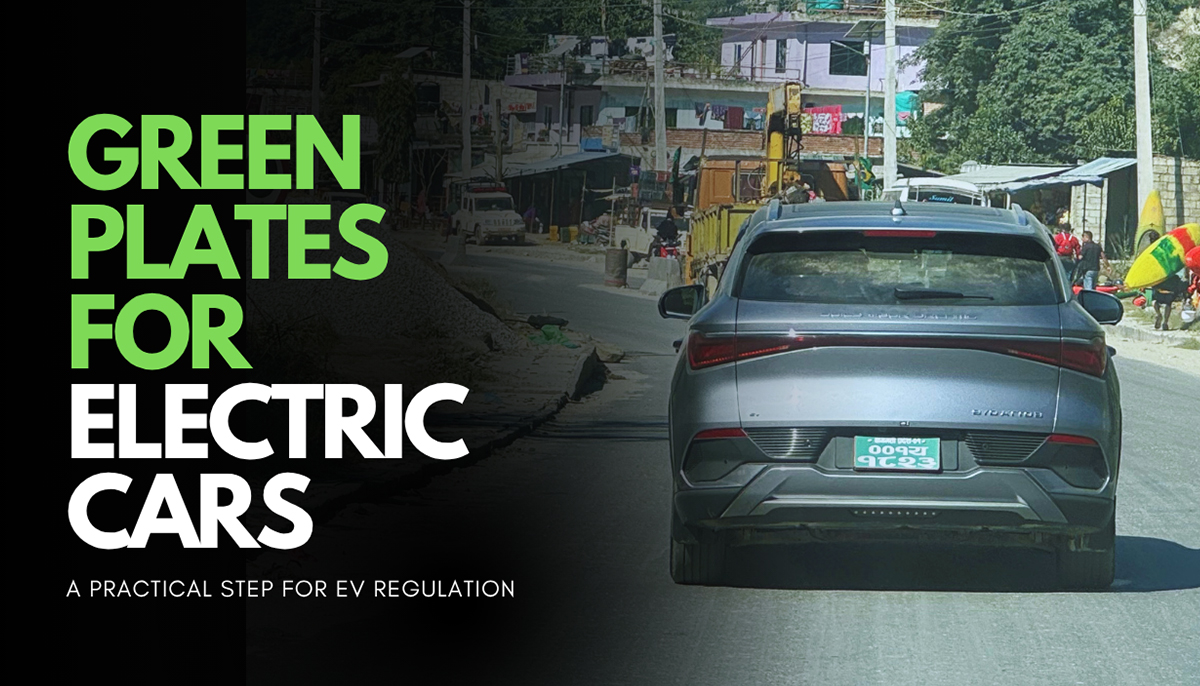
With global energy markets facing uncertainty due to ongoing conflicts in the Middle East, Nepal may once again need to consider measures like the odd-even vehicle system to manage fuel shortages.

While electric vehicles (EVs) are not affected by such restrictions, they are currently indistinguishable from petrol or diesel vehicles on the road. Introducing green number plates for EVs would make identification simple—not just during emergencies, but for everyday traffic management and policy implementation.
Electric vehicles in Nepal currently use the same standard number plates as petrol and diesel cars, with no distinct marker to identify them as zero-emission vehicles.
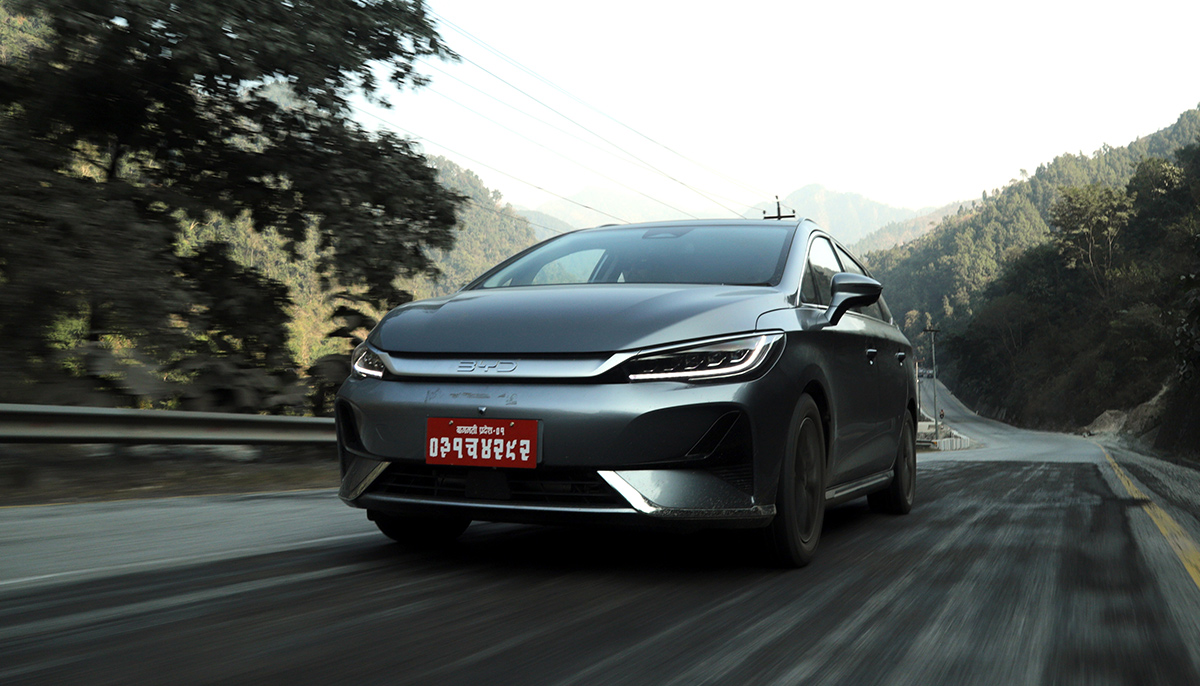
Private EVs in Nepal use a standard number plate with no EV identifier
This makes it difficult for authorities, policymakers, and the public to distinguish EVs on the road, track their usage, or implement incentives and regulations effectively.
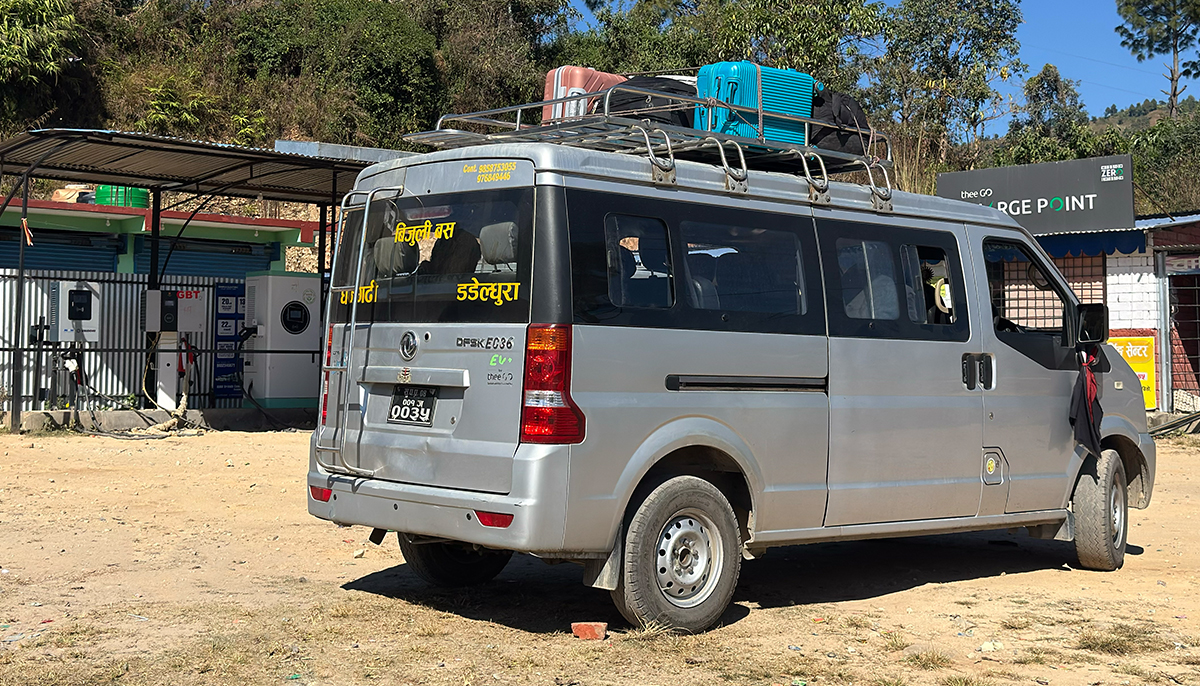
Commercial EVs in Nepal also use standard plates
However, a distinct green plate would allow authorities and the public to easily recognize EVs. Several countries have already adopted this approach. In India, EVs carry fully green plates, allowing authorities to quickly recognize them for tax benefits, toll exemptions, and priority parking.
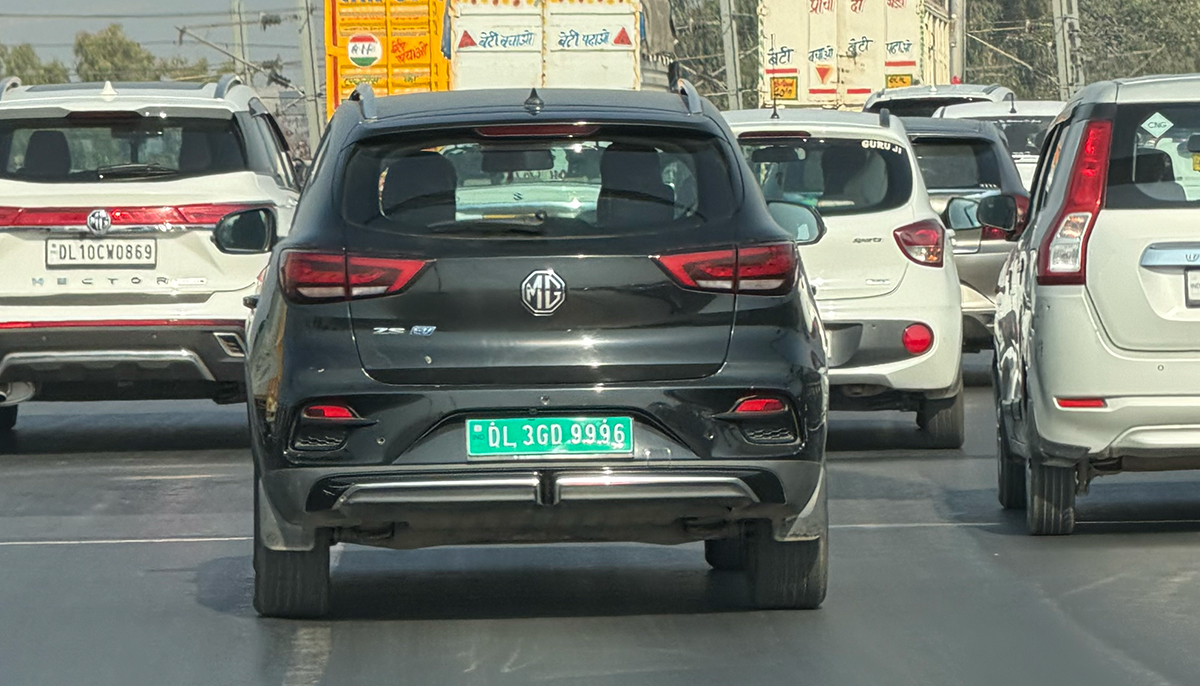
EVs in India feature fully green number plates for easy recognition and incentives
China uses green plates along with specialized registration codes to manage EV usage in busy cities. Kenya has introduced green plates to track adoption and support incentives.
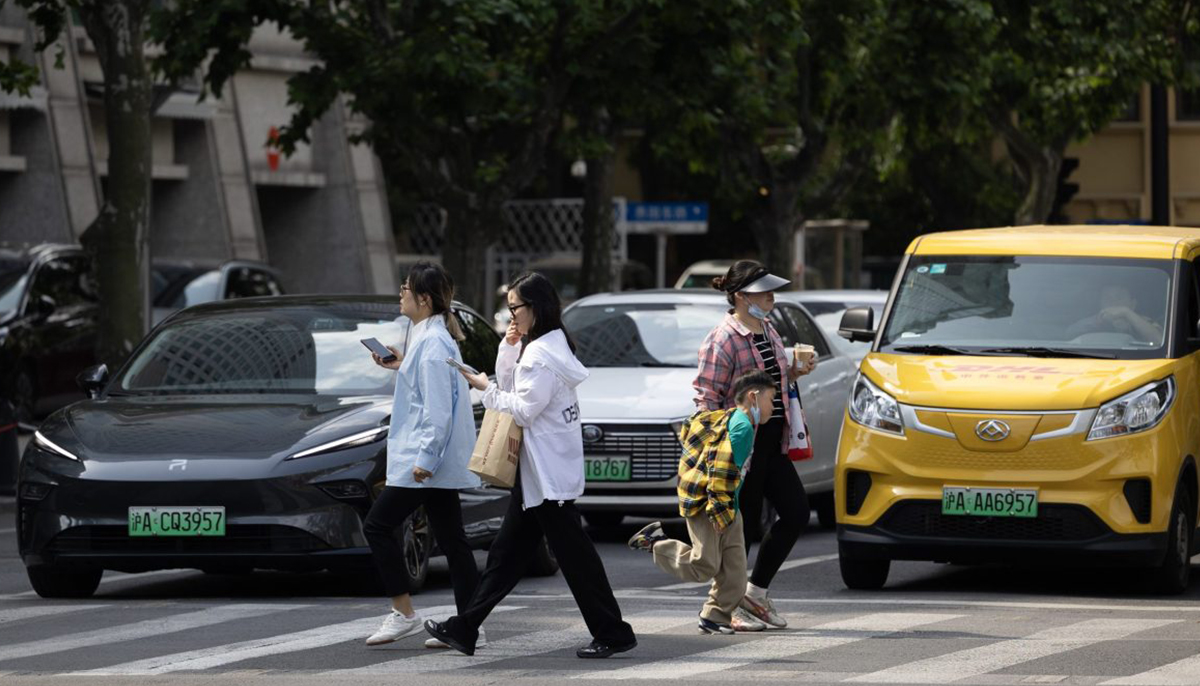
Chinese EVs have green plates with special registration codes for regulation
In the United Kingdom, EVs feature a green stripe or flash on their plates, signaling their zero-emission status. These examples show that a small change in plate color can have a large impact on promoting and managing EVs.
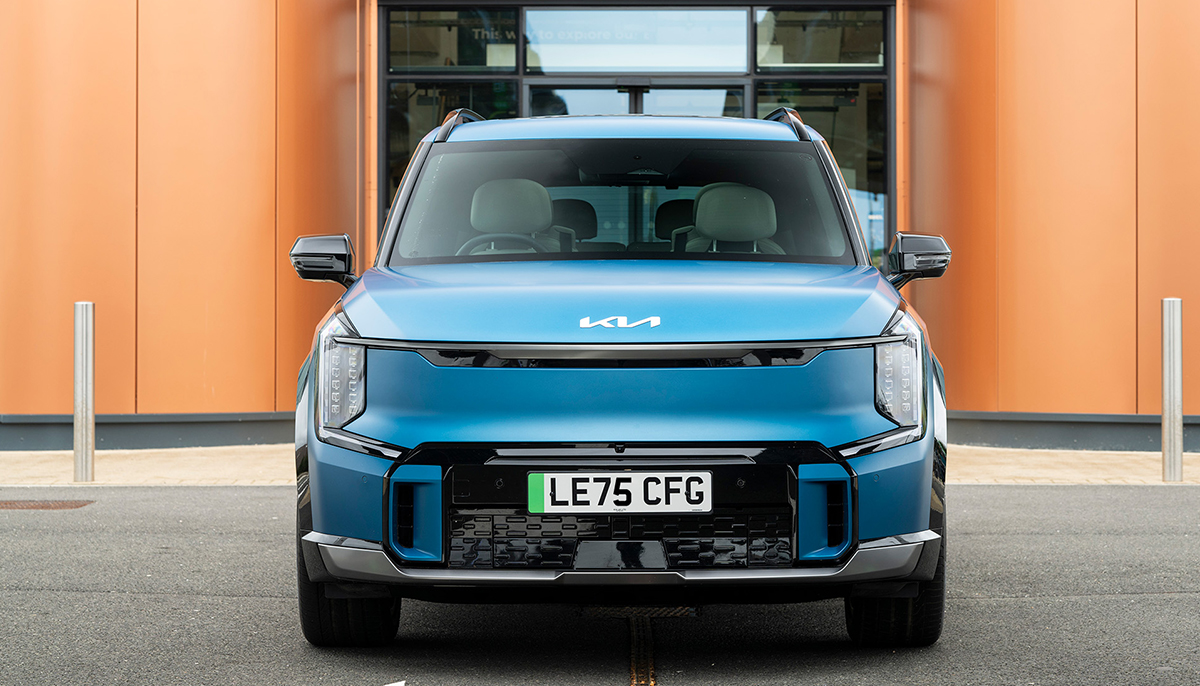
In the UK and several European countries, EVs feature a green stripe on standard plates
Nepal’s EV market is growing rapidly, driven by rising fuel prices, government incentives, and greater environmental awareness. Yet, the current registration system treats EVs the same as petrol or diesel vehicles. Green plates would provide multiple benefits:
- Clear identification for authorities and the public.
- Simpler implementation of policies such as tax breaks, toll exemptions, priority parking, and charging privileges.
- Support during fuel crises, allowing EVs to be distinguished quickly from fossil-fuel vehicles.
- Public awareness, encouraging more people to adopt cleaner transportation.
- Better data collection, helping plan EV infrastructure such as charging stations.
Nepal uses a color-coded system for vehicle plates: private vehicles have red plates with white letters, public/commercial vehicles use black or yellow plates, government vehicles are white with red letters, national corporations have yellow with blue letters, tourist vehicles use green, and diplomatic vehicles are blue with white letters.
One challenge is that tourist vehicles currently use green plates, which could conflict with EV identification. A practical solution would be to assign a new, distinct color to tourist vehicles, reserving green exclusively for EVs.
Tourist vehicles can use a different color—such as purple or orange —could be used for tourist transport, reserving green exclusively for EVs.
Green number plates are more than a cosmetic change—they are a low-cost, practical tool to support EV adoption, streamline policy implementation, and signal the nation's commitment to sustainable mobility.
With the EV market expanding rapidly, now is the right time to implement this policy and position Nepal alongside global best practices in clean transport.
Representative Image - The thumbnail features an electric car used in tourism, shown for illustrative purpose








Jetour T2 Arrives in Nepal Ahead of October 11 Launch, T1 Also Set to Join Lineup

NADA Urges Government Relief for Auto Businesses Hit by Rasuwa Floods
MG Tomahawk EV Pre-Booking Opens in Nepal, Price Expected Below Rs. 65 Lakh